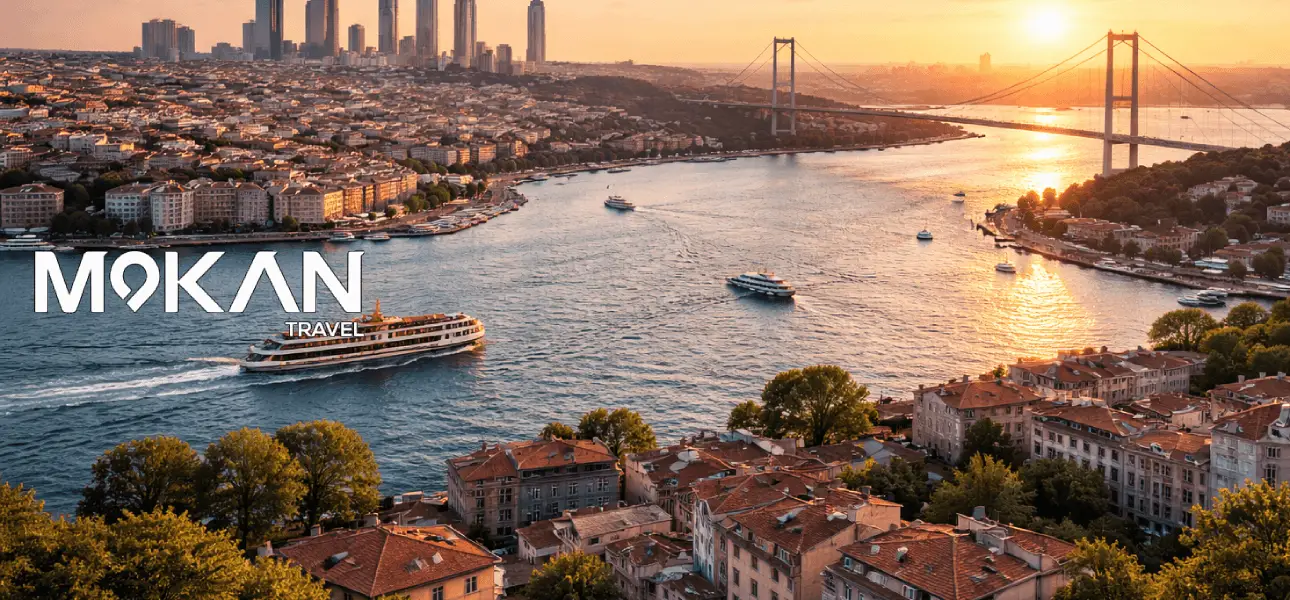
Istanbul Travel Guide 2026: Everything You Need to Know Before You Go
stanbul 2026 Guide
What Awaits You in This Guide?
Istanbul in 2026 is no longer a city explored with a simple "places to visit" checklist. This article explains how you should experience Istanbul. It focuses less on which museum to visit and more on what time you should go; less on where to eat and more on where you should pause.
This guide is not for those in a rush, those who want to see everything, or those who behave "like tourists." It is written for people who want to slow Istanbul down, adapt to the city's rhythm, and feel like a local.
What Do We Cover?
In this article, we approach Istanbul not as a single route, but as a collection of experiences:
- Logistical details to know before you go:
Transportation, Istanbulkart, the metro-ferry balance, 2026 price realities, and mistakes you should avoid on your first day. - Planning and time management:
How much you can realistically do in one day, which hours truly belong to Istanbul, why museums are best visited in the morning, and why afternoons are meant to slow down. - Transportation guide:
How to move around the city without losing to traffic, why ferries are the world's cheapest Bosphorus cruise, and when taking a taxi actually makes sense. - Neighborhood-based accommodation guide:
The pros and cons of areas such as Karaköy, Galata, Kadıköy, Beşiktaş, and Sultanahmet; who should stay where, and where you should avoid staying. - Smart travel strategies:
Exploring Istanbul without exhaustion, building your day around one main plan, and balancing museums, neighborhoods, and ferry rides. - Classic and new must-see stops in 2026:
How places like Galata Tower, Hagia Sophia, Kadıköy, and Balat transform into completely different experiences at the right time of day. - Gastronomy: a Michelin-starred city that stays connected to the streets:
Where Michelin fits into the picture, local diners, street food, meyhane culture, and the question of "what to eat and when." - Shopping: authenticity vs. mass production:
How to distinguish real craftsmanship from mass-produced goods, common mistakes in the Grand Bazaar and tourist areas, and a clear guide on what to buy and what not to. - Experience-focused Istanbul & niche searches:
Traveling solo, non-touristy moments, slow travel, and why 20 minutes spent on a ferry can be the most valuable part of your day. - 2026 events calendar:
Seasonal events, summer crowds, and why autumn is Istanbul's golden season. - Safety and scam-avoidance guide:
Realistic warnings from pickpocketing to taxi scams, nightlife traps to shopping tricks and the instincts you need to stay safe in the city.
This section also explains why proper planning on your first day and in critical moments matters.
Who Is This Guide For?
- Those who don't want to explore Istanbul with a checklist after searching "Best places to visit in Istanbul 2026"
- Those asking "Is Istanbul safe in 2026?" and looking for real answers
- Those who want to live like a local, not like a tourist
- First-time visitors who don't want to misunderstand the city
- Those who have been before but want to truly feel Istanbul this time
A Short Note
This guide doesn't shout "go here, do this."
It explains what kind of city Istanbul is and where it becomes more beautiful when you slow down.
If you accept slowing down,
Istanbul in 2026 won't exhaust you.
On the contrary, it will build a bond that makes you want to come back.
Why Istanbul in 2026?
Calling 2026 the "perfect year" to visit Istanbul would sound cliché, but I can confidently say this: the city has never felt this balanced. The crowds are still there, but if you know where to look, Istanbul doesn't drain you it embraces you. Watching seagulls compete for simit crumbs while sipping tea on a morning ferry is still free, still real, and still deeply calming. This city resents those who rush through it; it opens its doors to those who slow down. And that is exactly the spirit of 2026: slow travel.
Instead of chasing lists after searching "Best places to visit in Istanbul 2026," this is the year for those who intend to live in Istanbul, even briefly. Prices have largely stabilized, the transportation system has become more readable, and since museums are priced in euros, there are no surprises. As of 2026, the Galata Tower entrance fee is €25, and Hagia Sophia costs €30 for the upper gallery, while the ground floor (mosque area) is free. Expensive? Yes if you just walk in and out. But if you structure your day well, these numbers remain a small part of the overall Istanbul experience.
This is why I love Istanbul: the city doesn't say "come and consume," it says "come and notice." If you take the 08:30 ferry (Eminönü-Kadıköy, for example), the tourist crowds haven't woken up yet. You hear the flap of a seagull's wings as it locks eyes with a child tossing simit from the back of the boat. The ferry isn't just transportation; it's the cheapest and most beautiful Bosphorus tour in the world. A ride that costs just a few euros with your Istanbulkart feels far more authentic than guided tours.
If you're more focused on experiences than prices, you can also explore Mokan Travel's fully personalized tours. Mokan Travel doesn't sell packages; its tours focus on the traveler's story.
Another reason Istanbul is appealing in 2026 is the sense of control. The metro network has expanded, signage is clearer, and when you search "Istanbul metro map 2026," the map no longer feels intimidating. The biggest mistake newcomers make is trying to go everywhere by taxi. Once you understand the metro + tram + ferry trio, the city fits into your pocket. You can top up your Istanbulkart at Biletmatik machines with language options, without needing to talk to anyone. Still, if the man behind you in line asks, "First time?" don't shut down the conversation. Istanbul's small surprises often start that way.
Safety is also one of the most frequently asked questions in 2026. The short answer to "Is Istanbul safe in 2026?" is: yes if you use common sense. Istanbul isn't riskier than major European cities. What matters is where you are, when you're there, and how you behave. Instead of wandering side streets at 2:00 a.m. staring at your map, stepping into a café and asking for directions is still the smartest move. People here like to help, but they value respect.
Istanbul in 2026 is also selective. If you sit in Sultanahmet at noon and eat at restaurants with euro-priced menus, the city will feel expensive. But walk two streets back, order the daily special at a small local diner with old signage and tiny tables, and both the flavor and the price will surprise you. That's why this guide doesn't say "travel like a tourist"; it says live like a local.
Throughout this article, instead of lists, I'll explain the city's rhythm where to pause, where to speed up, and where slowing down feels right. Istanbul in 2026 is still chaotic, still mesmerizing, but more readable than ever. If you look from the right angle, this city won't exhaust you; on the contrary, it won't let you go.
Things You Should Know Before You Go
If this is your first time in Istanbul, let me say this upfront: this city wins you over not only with its beauty, but the moment you figure out the logistics. The map looks complicated, distances feel intimidating but once you know the tricks, Istanbul won't exhaust you. Just like I've done for years, a few small habits are enough to make the city fit in the palm of your hand.
Transportation: If You Sort Out Istanbulkart on Day One, You're Set
The key to transportation in Istanbul is the Istanbulkart. The moment you leave the airport, resist the urge to jump into a taxi. The metro line from Istanbul Airport is now fully operational, and reaching the city center is easy. As of 2026, a one-way metro ride costs approximately €1.5-2 (depending on your stop; part of it may be refunded when you exit). Take the same route by taxi and you'll pay €30-45, depending on the time. Seeing that difference on day one is a good lesson.
When buying your card from a Biletmatik machine, English is available but usually the uncle in front of you says, "Don't worry, I'll show you," and helps anyway. Accept it. Say thank you. That's Istanbul. Once you have the card, don't load a daily balance load enough for 3-4 days. The same card works on the metro, tram, ferry, and buses.
When you look up "Istanbul metro map 2026," the network may seem confusing at first, but you'll quickly realize this: about 90% of tourist areas are reachable by tram + metro. Once you understand the T1 line, the city starts flowing naturally from Sultanahmet to Karaköy.
Ferries: Not Transportation, the Best Part of the Day
In Istanbul, taking a ferry is not just about crossing to the other side. I often choose ferries deliberately because even in 2026 they're still the cheapest Bosphorus experience. On routes like Eminönü-Kadıköy or Beşiktaş-Üsküdar, the fare you pay with Istanbulkart is around €1. Head to the open deck at the back, grab a tea (still affordable at the ferry café), and watch seagulls compete for simit. That's the moment you think, "I'm glad I came."
The classic mistake here is choosing expensive tour boats just to see the Bosphorus. Unless you want a very specific experience, ferries are more than enough and you're right in the middle of local life.
Accept the Euro Reality from the Start
As of 2026, most museums in Istanbul are priced in euros. This isn't a surprise it actually makes planning easier. Galata Tower is €30, Hagia Sophia (upper gallery) is €25. Know this in advance so you're not shocked at the door. Credit cards are accepted, but I always carry a small amount of cash, especially for ferry cafés, small eateries, and neighborhood coffee shops.
Avoid exchanging money too much around Sultanahmet; rates are usually poor. As you move slightly away from the center, you'll find better options.
Having a guide or someone who knows the city well with you can be very valuable at this point. Because with that small amount of cash in your pocket, there are so many different and wonderful flavors you'll experience along the way that you simply wouldn't expect.
Stay Online, but Don't Bury Yourself in the Map
eSIMs or tourist SIM cards from the airport work just fine. For a few euros a day, you're connected. But the biggest mistake in Istanbul is constantly staring at your phone while walking. Sit down at a café and figure out your direction there. More often than not, asking for directions here gives you clearer guidance than any map.
Safety and Timing
"Is Istanbul safe in 2026?" is a constant question. Short answer: yes, with big-city awareness. Keep your bag closed, don't put your wallet in your back pocket in crowded areas. But don't be afraid to go out at night. The real mistake is stubbornly staying somewhere that feels uncomfortable. If it doesn't feel right, change locations. Istanbul more than makes up for it.
Common Mistakes
Let me be very clear about the traps visitors fall into most often:
- Taking a taxi from the airport on the first day
- Trying to get around without an Istanbulkart
- Rushing everywhere and running through the city
- Eating every meal in Sultanahmet
- Only traveling underground instead of using ferries
If you avoid these, Istanbul won't be harsh on you. On the contrary, it slowly opens itself up. Once you solve the logistics, the rest is pure enjoyment. This city likes planning but it doesn't like rushing.
Private Transfers & Tours and Mokan Travel

Doing everything by metro, tram, and ferry in Istanbul is great but let's be honest: not all the time. If your flight lands at 01:30 a.m., your luggage is heavy, or on day one you're in "I don't want to fight this city" mode, a private transfer is a lifesaver. I've told friends visiting Istanbul for years the same thing: Don't spend your first-day energy on transportation.
As of 2026, private transfer prices between the airport and city center generally range between €34-70, depending on distance and vehicle type. Try the same route by taxi and once traffic, time of day, and driver factors kick in, no one can say where the price will end. This isn't about luxury it's about mental comfort.
Also, don't forget that you're traveling with insurance coverage. The Republic of Türkiye requires passenger reporting for A-group agencies like Mokan Travel. This ensures your journey is insured and secure.
The first time you see the taxi line at Istanbul Airport, you'll understand what I mean. Crowds, luggage stress, bargaining with drivers... after a long flight, you don't need that. With a private transfer, someone greets you by name, you get in the car, and the city slowly starts flowing past the window. That kind of first contact seriously changes how you perceive Istanbul.
When Does a Private Transfer Make Sense?
Based on my own experience, private transfers are especially worthwhile in these situations (just one condition is enough):
- Late-night or very early arrival
- Groups of 3-4 people or more
- Family travel (especially with children)
- Hotels in central but narrow-street neighborhoods
- First-time visitors to Istanbul
- Two medium-sized suitcases or more
At other times, getting around by public transportation is more local and more enjoyable. Istanbul's soul isn't experienced underground it's lived on the surface.
Don't Be One of Those Who Rush Through It
Tours in Istanbul usually fall into two extremes:
Either tours that start at 08:00 and end at 18:00, cover everything but let you feel nothing...
Or small, calm walks that actually tell you something.
The trend in 2026 is clear: slow travel. Instead of "10 hours, 12 stops," think "half a day, 2 neighborhoods." I always recommend the latter. For example, when you explore the Galata-Karaköy route with a guide, you hear stories you'd never notice walking alone: a crest above a door, a staircase in an old apartment building, why a café is still run by the same family.
As of 2026, prices for private tours generally start between €150-300, depending on the content. That may sound high, but if planned well, a 3-4 hour experience often becomes the most memorable part of the entire trip.
Where Does Mokan Travel Come In?
What sets Mokan Travel apart isn't selling tours it's time management. In Istanbul, the most expensive thing isn't the ticket; it's wasted hours. Planning here feels like it's done by someone who knows the city by heart. Not "let's go there too," but "let's go here now, because the crowds haven't arrived yet."
Punctuality matters in private transfers. In Istanbul, 10 minutes can mean nothing or everything. Knowing someone is waiting for you, even if your flight is delayed, brings real peace of mind. The same applies to tours: no rushing, no forced photo stops, no shopping pressure.
And even if you don't use Mokan Travel's services, you can still receive free information and guidance about Istanbul. You can easily do this via their contact numbers.
Common Mistakes
Let me be very clear here, because everyone makes the same mistakes:
- Trying to see Istanbul only through tours
- Filling the entire schedule on the first day
- Choosing a transfer randomly just because it's "the cheapest"
- Trying to match everyone's pace in group tours
- Exploring the city without a guide and without a plan
Istanbul is a city that either needs to be fully let go or slowly opened up in the right hands. The middle ground rarely works.
If this is your first time here, private transfers and small-scale tours offer a gentle introduction to Istanbul. After that, you'll want to hop on a ferry and get lost. And that's the best part: you're in control, but the city is always one step ahead.
2026 Realities
When planning Istanbul in 2026, you need to set off not with romantic fantasies, but with reality. That's not a bad thing quite the opposite. The city now clearly shows what it offers. Fewer surprises, more options. As long as you build your schedule around Istanbul's tempo.
The first reality is this: time is the most valuable currency. Museum, transportation, and food prices are now clear. But how much you can do in a day is still up to Istanbul's mood. If you plan to enter Hagia Sophia at 09:00 and then catch the 10:30 ferry, something will inevitably go off-track. I usually anchor the day with one fixed plan and leave the rest to the flow. Istanbul reveals itself to those who leave space.
Start Early, Finish Early
In 2026, crowds still intensify in the afternoon. Because museums are priced in euros (Hagia Sophia Gallery €25, Galata Tower €30), people tend to stay longer in "since we're here, let's see everything" mode. That makes midday more tiring. My strategy is simple: explore between 08:30-11:30, then slow down. In the afternoon, settle into one neighborhood have tea, walk, don't rush.
The most common planning mistake is starting late and trying to fit everything in by evening. Istanbul nights are beautiful, but a body worn out all day will ruin the evening. Wrap up early and save energy for tomorrow.
The "Few Days, Many Neighborhoods" Trap
You'll still hear "Let's see everything in 3 days" in 2026. Don't. Istanbul is lived neighborhood by neighborhood. If you dedicate one day only to the Karaköy-Galata corridor, your head won't ache by evening. Another day, you stay in Kadıköy: the ferry crossing, side streets, a seaside walk... the city won't exhaust you.
Instead of searching "Best places to visit in Istanbul 2026" and ticking them all off, choose one main area per day. Let everything else be a bonus.
You Have a Map, but Not Time
"Istanbul metro map 2026" is more readable now, but rush hours haven't changed. Between 08:00-09:30 and 17:00-19:00, especially on weekdays, don't build your plan around the metro. At those hours I either walk or escape to the ferry. You might think you're losing time on the ferry, but you're actually gaining peace.
And here's another reality: in Istanbul, distance isn't measured in kilometers, it's measured in hours. Five kilometers can be 20 minutes or one hour. When planning, add a 30% buffer to Google's estimates. That buffer will save you from stress.
Your Food Plan
In 2026, popular spots are crowded yes. But Istanbul is still the city of spontaneous eating. Instead of waiting in long lines in Sultanahmet, order the daily special at a local diner two streets behind. Don't make lunch too heavy; you'll be happier if you get hungry again in the late afternoon.
I usually keep lunch light and prioritize dinner because in Istanbul, dinner is a ritual. It shouldn't be rushed.
Safety and Common Sense
"Is Istanbul safe in 2026?" has become part of planning now. Yes, it's safe. But when you plan, run romantic ideas like long solo walks late at night through a filter. Trust your instincts. If it doesn't feel right, change the plan. Istanbul can handle that flexibility.
Common Mistakes
Here are the planning mistakes I see most often, clearly stated:
- Filling every day hour by hour
- Underestimating transportation times
- Saving museums for midday
- Rushing between the European and Asian sides in the same day
- Turning Istanbul into a "to-do list"
Istanbul in 2026 is telling you this: slow down. You don't have to see everything. If you pause in the right place, the city tells its own story. Plan with that in mind and Istanbul won't exhaust you; instead, it will make you restless in the best way for your next visit.
2026 Transportation Guide: Don't Lose to Traffic
The biggest reality of Istanbul in 2026 is this: traffic isn't new, but losing to it is entirely a choice. The golden rule of moving around this city is to look not at the place, but at the time. The same distance can take 20 minutes in the morning and one hour in the evening. That's why the winner is the one who chooses "the calmest route," not "the shortest route."
When I need to go somewhere in Istanbul, I check the clock first, then the map. If it's between 08:30-09:30 or 17:00-19:00, I go underground or I escape to the ferry. Getting in a car during those hours isn't bravery; it's patience.
Istanbulkart
If you want to crack transportation in Istanbul, the first step is Istanbulkart. Anyone who sorts it out on day one relaxes for the rest of the trip. Buying and topping up at Biletmatik machines is still the most practical method in 2026. While single-ride fares vary by line, most journeys sit around €1-1.5. Take the same route by taxi especially during rush hour and dropping €10-20 isn't hard at all.
A small tip: don't top up tiny amounts every time. Load a 3-4 day balance once and relax. Running out of credit stress while you're stepping out of the metro and sprinting to the ferry is an unnecessary tension in Istanbul.
Don't Let the Metro and Tram Map Intimidate You
"Istanbul metro map 2026" looks complex at first glance, but it's actually quite logical. Most tourist areas are on the T1 tram line or just one transfer away. Sultanahmet, Eminönü, Karaköy... all on the same line.
The biggest metro mistake is boarding with luggage during peak hours. If you have to, at least don't stand in the middle of the carriage stay closer to the doors. If possible, I prefer walking instead of the metro at peak times. In Istanbul, walking isn't just transportation it's discovery.
The Antidote to Traffic
If you don't use ferries in Istanbul, you've missed half the city. Routes like Eminönü-Kadıköy and Beşiktaş-Üsküdar are still the cheapest Bosphorus pleasure in 2026. The fare you pay with Istanbulkart is around €1. It's hard to find a view like that for that price anywhere else in the world.
I always move to the back of the ferry. The wind, the clink of the tea glass, and seagulls chasing simit... it feels like traffic doesn't exist. And while you think you're losing time crossing, you're actually building a bond with the city.
A Taxi Isn't Always the Enemy
Taxis in Istanbul aren't something to ban completely, but they should be used in moderation. They work for short distances at off-peak hours. But relying on taxis for bridge crossings and evening traffic is a major mistake. In 2026, meters are more transparent, but traffic is still full of surprises.
I usually use taxis in these situations:
Late at night, in steep neighborhoods, or when public transportation has ended. Otherwise, Istanbul makes you happier above ground.
A Hidden Advantage
In Istanbul, many neighborhood-to-neighborhood walks are shorter than you think. Karaköy to Galata is 10-15 minutes, but what you see on that walk disappears the moment you choose the metro. This is where the 2026 "slow travel" spirit kicks in. Instead of rushing through the city, you melt into it.
Common Mistakes
Here are the transportation traps tourists fall into most often:
- Trying to go everywhere by taxi
- Attempting to get around without an Istanbulkart
- Planning long distances during peak hours
- Using only the metro instead of ferries
- Calculating distance in kilometers
If traffic beats you in Istanbul, the city feels exhausting. But if you move with the right mode at the right time, transportation becomes not a problem, but part of the experience. In 2026, the way to understand Istanbul is not to follow the steering wheel it's to follow the rhythm.
Where to Stay? (Neighborhood-Based Guide)
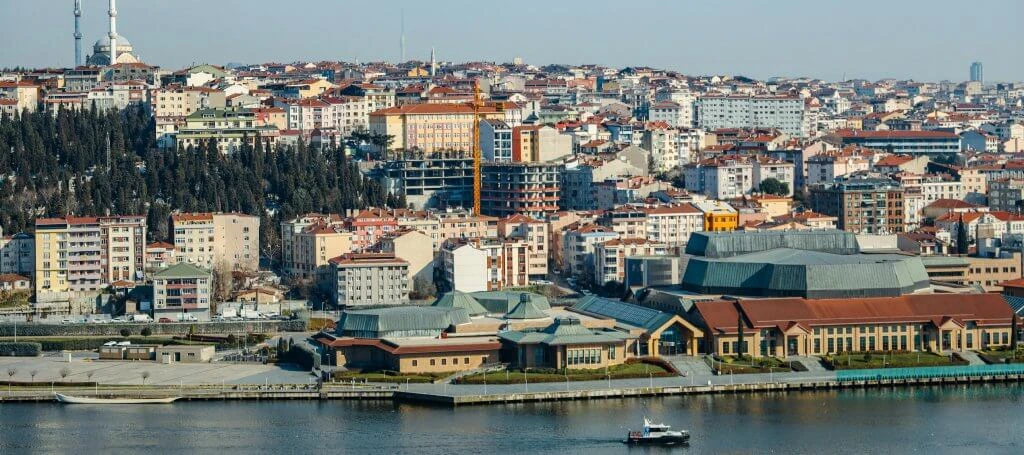
Choosing where to stay in Istanbul is far more important than simply asking "which hotel is good?" The real question is: Which neighborhood do you want to wake up in? Because in Istanbul, where you open your eyes in the morning determines your entire day. Traffic, crowds, food, even your mood... all directly connected to the neighborhood.
What I've realized over the years is this: people who stay in the wrong neighborhood think Istanbul is expensive and exhausting. Those who stay in the right one say, "this city is livable." In 2026, that difference is even clearer.
Karaköy - A Safe Base for First-Timers
Karaköy is one of the places where first-time visitors make the fewest mistakes. You have the sea, the tram, the ferry, and plenty within walking distance. You can drink your morning coffee and be on a ferry in 5 minutes or walk up to Galata in 10.
The beauty of staying here is this: you can explore without a strict plan. You wake up, go downstairs, grab a coffee. The crowds haven't hit yet. As you walk toward the port, you'll see fishing boats. And when evening comes, you don't have to leave Karaköy to find life everything is already under your feet.
In 2026, accommodation in Karaköy averages around €100-250 per night, depending on the property type. It can look pricey compared to other areas, but it balances out when you consider what you're not spending on taxis, time, and stress.
Common mistake: assuming Karaköy is only a "transit point." In reality, staying here is one of the easiest ways to meet Istanbul at a gentle pace.
Galata - For Those Who Want to Feel Istanbul
Galata is hilly, yes. But the heart of anyone who truly wants to feel Istanbul beats here. When you walk through Galata streets early in the morning before the shops open that quiet is something special. Laundry hanging from windows, the smell of bread from the bakery...
When you stay in Galata, you go everywhere "with a bit of walking." Those walks can tire you, but they pay you back. As you descend from Galata toward Karaköy in the late afternoon, sunlight slips between the buildings. Not postcard Istanbul real Istanbul.
As of 2026, boutique hotels and apartments in Galata are around €100-180 per night. Watch out for buildings without elevators. If you're traveling with a suitcase, factor that in.
Common mistake: thinking Galata is only about Galata Tower. Don't just climb the tower and leave get lost in the streets.
Sultanahmet - Great to See, Hard to Stay
Let's be honest: visiting Sultanahmet is one thing; staying there is another. History, yes. But in 2026, staying in Sultanahmet is tiring for many people. Crowded mornings, tour groups at noon, and a slightly strange quiet in the evening.
People who stay here to be close to museums often regret it by day two. Dinner options are limited and prices are euro-focused. You can eat the same meal two streets away for a much better price.
If you insist on staying in Sultanahmet (Fatih district, the Historic Peninsula), don't do more than 1-2 nights. Nightly prices range from €85-190.
Common mistake: thinking all of Istanbul is Sultanahmet.
Kadıköy and Moda - For Those Who Want to Live Like a Local
If you're thinking "I don't want to live like a tourist, I want to live like a local," the address is clear: Kadıköy especially Moda. Mornings are calm, evenings are lively but not overwhelming. Seaside walks, small cafés, neighborhood shops...
When you stay in Kadıköy, the ferry becomes your friend. Crossing takes 20 minutes and that 20 minutes becomes the best part of your day. Seagulls, tea, wind... Istanbul doesn't rush here.
In 2026, accommodation in Kadıköy and Moda typically falls in the €80-160 per night range more balanced than many areas on the European side.
Common mistake: thinking "If I stay on the Asian side, I'll feel disconnected." It's the opposite you build a bond here.
Beşiktaş - Young, Lively, Noisy
Beşiktaş is energetic. Breakfast culture, student life, the waterfront, ferries... it's all there. But honestly: it's not for everyone. It can be noisy at night, and the movement starts early in the morning.
If you like a youthful pace and plan to be out on the streets all day, Beşiktaş makes sense. Transportation is very easy, and the ferry and bus networks are strong.
In 2026, prices are around €90-170 per night.
Common mistake: staying in Beşiktaş while dreaming of a quiet Istanbul.
Balat and Fener - Great for Photos, Selective for Staying
Balat has become popular in recent years, but staying here requires a bit of experience. Streets are narrow, transportation is limited, and evenings are quiet. If you're curious about neighborhood culture and enjoy early morning walks, you'll like it.
But I generally don't recommend it for first-time visitors. Come to explore don't come to stay.
Where You Shouldn't Stay
- Out-of-town hotels just because they're close to the airport
- Main-artery areas with constant traffic
- Hard-to-reach places chosen "for the view"
- Places far outside the center just because they're cheap
Common Mistakes
- Choosing a cheap hotel and then spending time expensively
- Measuring "closeness to the center" only in kilometers
- Getting stuck in Sultanahmet on your first visit
- Overthinking the ferry crossing
- Ignoring the neighborhood's spirit
In Istanbul, where you stay is more important than what you see. If you choose the right neighborhood, the city opens itself up to you slowly. If you choose the wrong one, Istanbul pushes you into rushing. In 2026, that's exactly what makes the difference.
Smart Travel Strategies
The secret to exploring Istanbul in 2026 isn't seeing more it's being in the right place at the right time. This city exhausts those who chase lists and rewards those who understand its rhythm. When I explore Istanbul, I always do this: the day has one "spine," and the rest flows on its own. In this section, I'll show you how to build that spine.
Build Your Day Around One Fixed Anchor
In Istanbul, make at most one main plan per day something like "Hagia Sophia in the morning." As of 2026, Hagia Sophia entry is €25, Galata Tower is €30, and people stay longer in these places with the "since we're here" mindset. So place your anchor early. If you enter between 08:30-09:00, crowds are lighter and you won't rush for the rest of the day.
After a museum, I always leave myself deliberate space. That space usually turns into a ferry ride, a neighborhood walk, or an unplanned cup of tea. Istanbul's best moments are rarely written in the itinerary.
Mornings Are Your Advantage
In 2026, early mornings in Istanbul are still priceless. Tour groups start later, and social-media crowds peak closer to noon. Between 07:30-10:30, you see the city as it really is: the smell of fresh bread, shops opening for the day, streets that aren't tired yet...
Exploring at these hours teaches you more than any "Best places to visit in Istanbul 2026" list because the city shows itself without decoration.
Slow Down in the Afternoon
Turning midday (12:00-16:00) into a museum marathon is a classic Istanbul mistake. Crowds rise and your energy drops. I usually make these hours neighborhood time: a street in Karaköy, the coastline in Kadıköy, an easy route in Galata without steep climbs...
Sit at a café and order tea. Watch the world. Conversations at the next table, people passing by... to understand Istanbul, that's often more useful than any guidebook.
Turn Transportation Into Part of the Trip
"Istanbul metro map 2026" is more readable now, but I still use the ferry the most because the ferry isn't just transport, it's a mental reset. For around €1 with Istanbulkart, you spend 20 minutes inside one of the most beautiful views in the world.
I especially love the late-afternoon ferry. As the sun slowly drops, the sound of seagulls and the steam rising from tea... instead of getting lost in traffic, you connect with the city.
Choose Your Meal Time Strategically
Smart travel also means eating at the right time. Popular places fill up between 12:00-13:00. I usually eat at 11:30 or after 14:30. Same restaurant, same dish just calmer.
If you're in Sultanahmet, don't sit on the main street. Walk two streets back. Menus get simpler, prices drop, flavor rises. This rule works in every neighborhood in Istanbul.
Pause for the Moment, Not for the Photo
Istanbul's biggest problem in 2026 is the panic to "capture everything." When you put your phone in your pocket and simply pause, the city becomes more generous. Instead of taking photos on Galata Bridge, buy a simit and watch the fishermen. That moment lasts longer than any picture.
Safety and Common Sense, Balanced
"Is Istanbul safe in 2026?" is still asked. Yes if you travel smart. Keep your bag in front in crowds, don't insist on very empty streets late at night. Don't stay where it doesn't feel right. Istanbul has endless options; changing locations is always possible.
Common Mistakes
Here are the classic mistakes the exact opposite of smart travel:
- Putting 3-4 big plans into every day
- Saving museums for midday
- Seeing transportation only as "getting there"
- Avoiding the ferry
- Exploring Istanbul at Instagram speed
Istanbul in 2026 is telling you this: slow down, but be intentional. If you know when to pause and when to move on, this city won't exhaust you. Smart travel isn't going to fewer places it's staying longer in the right places.
"New" and "Classic" Must-See Stops in 2026
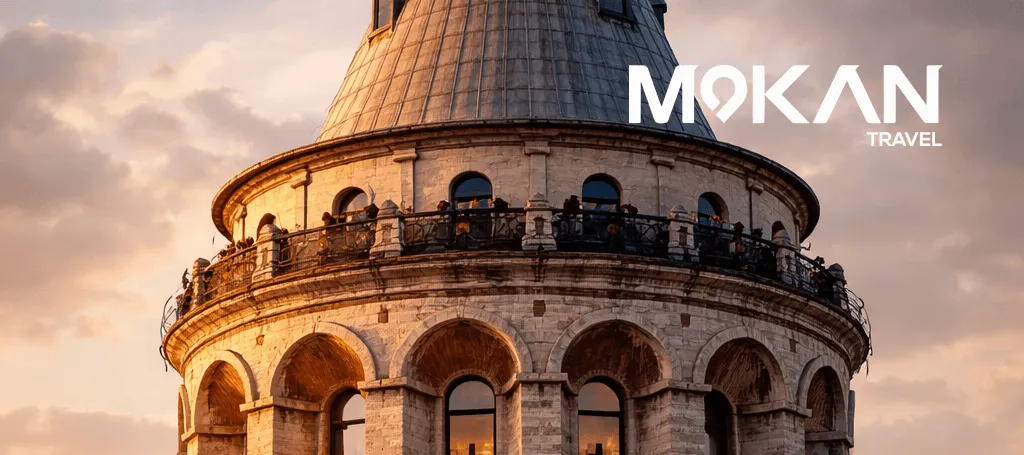
Exploring Istanbul in 2026 feels like rediscovering an old city. Same streets, same skyline yet your perspective has changed. It's no longer about "how many places you've seen," but where you paused and what you felt. That's why I'm splitting this section into two: on one side, Istanbul's essential classics; on the other, new stops that have been added in recent years or places that have gained a new meaning. You can't complete Istanbul without considering both together.
Classic Stops (But at the Right Time)
Galata Tower - Still Legendary, but Go Early
Everyone loves Galata Tower, but if you go at the wrong time, the magic disappears. As of 2026, entry is €30, and that can feel high if you're thinking "just up and down." My advice is simple: go close to opening time. If you go up early in the morning before the lines form, the Bosphorus is calmer and the air feels cleaner.
Before you go up, wander the streets of Galata a little. The smell of fresh simit from the bakery, shopkeepers opening their shutters... the view from above makes more sense when it connects with what you lived below.
Common mistake: going at midday and getting squeezed in the crowd.
Hagia Sophia - See It, but It's Not Enough on Its Own
Hagia Sophia is the heart of Istanbul. In 2026, the Gallery visit is €25, and how long you stay inside depends on the person. I usually keep it short because to understand Hagia Sophia, you need to walk around it more than you need to stay inside it.
After your visit, leave Sultanahmet Square and slip into the side streets. Walk against the tourist flow. Find a small tea spot and sit down. Only then do you really digest the weight of Hagia Sophia.
Common mistake: ticking Hagia Sophia off the list as "done."
Galata Bridge - On Foot, Without Rushing
Galata Bridge isn't just a crossing point. Morning fishermen, midday crowds, evening lights... I usually cross the bridge on foot. Pausing in the middle and watching the fishermen below is one of Istanbul's small rituals.
Try looking more than taking photos. This bridge is one of the rare places that slows Istanbul down.
New and Reinterpreted Stops
Istanbul Modern Art Museum - The City's New Breathing Space
With its new building, Istanbul Modern Art Museum in 2026 is no longer "just a museum" it's a pause point. Entry fees vary by exhibition, but average around €15-20. But the main point isn't simply going inside.
After the museum, walk down to the waterfront. Sit on one of the benches. The Bosphorus in front of you, the city behind you this balance is rare in Istanbul. I usually treat Istanbul Modern not as a museum, but as a stop that lowers the day's tempo.
Common mistake: going in and rushing back out.
Karaköy Waterfront - Discover It on Foot
In recent years, the Karaköy coastline has become more walkable. The port area, old warehouses, new cafés... if you walk here early in the morning, you see a different face of Istanbul.
The best thing to do here is simple: walk. No plan, no target. Sea on one side, city on the other. One of Istanbul's most "expensive" views yet free.
Kadıköy and Moda - Classic, Yet New Every Time
Kadıköy isn't new, but it still feels fresh in 2026. Walking along the Moda coastline, sitting quietly as the sun sets... this is one of the places where Istanbul tells you to "pause."
Don't make a checklist for Kadıköy. Wander in and out of streets. A bakery, a record shop, a second-hand bookstore... you feel Istanbul's local side more clearly here.
Common mistake: thinking of Kadıköy only for food.
Balat and Fener - Their Real Face Shows in the Morning
Balat's colorful houses are familiar from Instagram, but the real Balat appears early in the morning. Between 08:00-10:00, streets are calm and people are simply living their lives.
The goal here isn't taking photos it's observing the neighborhood. A grandma sitting by her door, kids buying bread... Istanbul still being lived.
Common mistake: trying to explore Balat in the crowded afternoon.
Experiences That Can Count as "New" in 2026
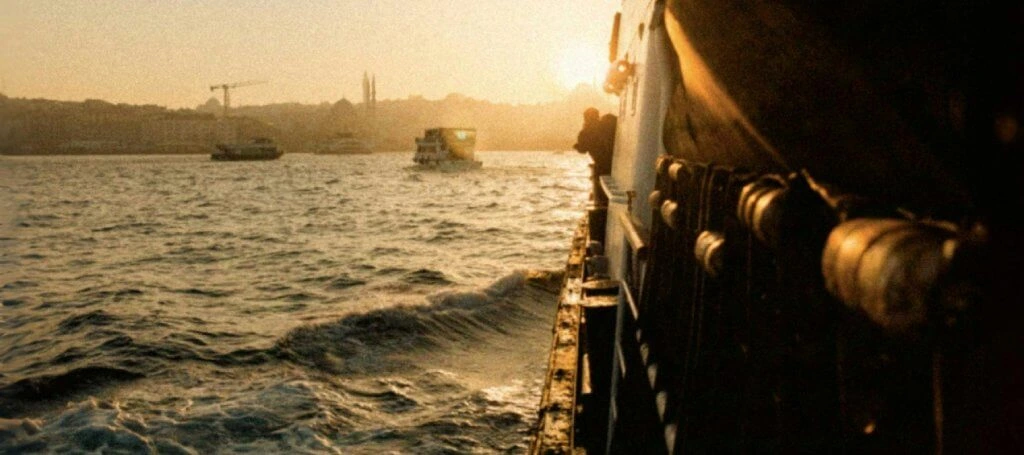
Changing Neighborhoods by Ferry
This isn't a new place, but it's one of the most valuable things in 2026. Routes like Eminönü-Kadıköy and Beşiktaş-Üsküdar are still around €1. These rides teach you more than any "Best places to visit in Istanbul 2026" list.
Sit on the ferry, get a tea, and look out the window. You're seeing Istanbul not from above, but from within.
Backstreet Cafés and Tea Stands
Instead of newly opened "big" venues, choose the small tea stands that are still standing. Plastic stools, a tulip-shaped glass, a radio in the background... this is Istanbul's real sound.
In every neighborhood, I always find a place like this. I sit down and don't rush. It's the easiest way to build a bond with the city.
Common Mistakes
Here are the most common mistakes people make while visiting these stops:
- Visiting classic places at the wrong time
- Assuming "new" only means "popular"
- Photographing everything
- Passing through neighborhoods too fast
- Skipping the ferry ride
New or Classic? The Wrong Question
In Istanbul in 2026, the right question isn't: New or classic?
The right question is: When and how?
Galata Tower is still breathtaking early in the morning. Kadıköy is still peaceful in the late afternoon. Pausing on the Istanbul Modern waterfront still feels good. What's new is being able to explore these places without consuming them.
Istanbul still offers you a lot but in return, it asks you not to rush. If you accept that, the classics feel new, and the "new" places feel like they've always been there. That's the real difference of Istanbul in 2026.
Gastronomy: A Michelin-Starred City
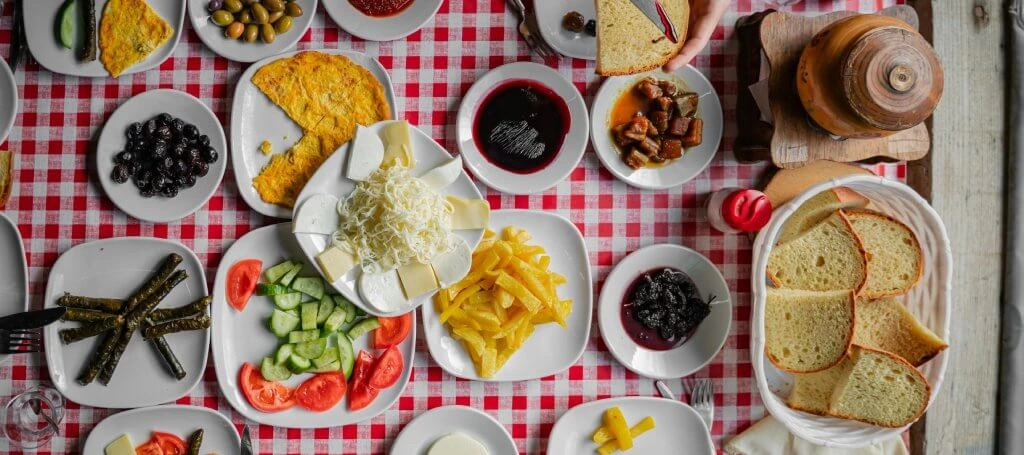
Eating in Istanbul in 2026 is no longer just about "filling your stomach." This city has genuinely become a place that lives around food. On one side, Michelin-starred restaurants; on the other, a neighborhood soup shop opening at seven in the morning. In the same day, you can sit at a white-tablecloth table and on a plastic stool. That gap is exactly what makes Istanbul special from a gastronomy perspective.
But let's be clear from the start: in Istanbul, great food isn't eaten in an expensive restaurant it's eaten in the right place. Michelin stars raised the quality bar in this city, yes. But the soul of Istanbul's cuisine is still on the street, in local diners, and at the grill.
The Michelin Reality - Prestige Arrived, the Game Changed
Being recognized as a Michelin-starred city is a real threshold in the culinary world and by 2026, you can feel that impact clearly. Chefs are freer, menus are bolder, service is more refined. But here's what I've noticed: even Michelin-starred places in Istanbul aren't "overly formal" anymore. Istanbul softened them.
As for prices... in 2026, a Michelin-level dinner with a tasting menu typically falls in the €120-200 range. Compared to similar restaurants in Europe, that's still fairly balanced. But you don't need to live this experience every day. Istanbul's food culture doesn't force you into that.
I usually place the Michelin experience in the middle of the trip. Not at the beginning, not at the end. Because first, you need to understand the city's flavor memory. Otherwise, the finesse on that plate hangs in the air without meaning.
Street Food - Things Michelin Can't Teach
In Istanbul, street food isn't the "lower floor" of gastronomy it's the foundation. Simit is still simit, but in 2026 the price ranges between €0.5-1 depending on the neighborhood. If you grab one right after stepping off the ferry, the seagull soundtrack is free.
Fish sandwiches are still in Eminönü, but here's the mistake: don't eat at the most crowded boat. Walk two steps and buy from somewhere calmer. Prices sit around €5-8. The difference isn't only flavor it's the experience.
Kokoreç, stuffed mussels, tantuni... these aren't about "bravery" they're about timing. Eat them in the late afternoon; don't leave them for very late at night. In 2026, stuffed mussels cost around €0.3-0.5 per piece. My rule is simple: buy a few, taste, then decide if you want more.
That said, I honestly don't really recommend mussels. This isn't specific to Istanbul it's not about the city. Because of the nature and structure of mussels, I generally don't recommend them.
Of course, döner is non-negotiable. Whether it's on rice, in bread, or as İskender kebab any of these can be a great choice. Just don't forget to leave room for dinner!
These are like Türkiye's signature. Istanbul is a very good stop to taste them.
Local Diners - The Real Michelin Is Here
In Istanbul, lunch isn't eaten at a Michelin-starred restaurant. It's eaten at a local diner. The daily dishes are clear, the menu isn't complicated: soup, stews, rice... In 2026, a solid lunch at a good local spot usually lands between €6-10. If you look for that same satisfaction in fine dining, you end up just staring at the plate.
When I arrive in a new neighborhood, I look at the display. If the pots are simmering and the place is full, I walk in. I don't ask for a menu. I ask, "What's on today?" Whatever came out that day, that's what I eat. That's how you understand Istanbul's cuisine.
Common mistake: thinking lunch is "unimportant." The true character shows up at midday.
Meyhane Culture - Slow Eating, Long Evenings
Michelin stars arrived, but Istanbul's evening soul is still in the meyhane. Rakı, meze, conversation... there's no speed here. In 2026, a proper meyhane night is around €30-50 per person. That number can rise as you drink, but the point isn't to get full.
Don't make a mistake when choosing meze: don't order everything. Four or five meze dishes are enough. Pick one hot appetizer. A main course isn't mandatory. Rakı is sipped slowly, conversation runs long. In Istanbul, gastronomy is sometimes more about time than food.
Also, when choosing meze, make sure to try the local varieties because Istanbul is a wonderful place to experience these flavors.
Kadıköy, Karaköy, Beşiktaş - A Flavor Map
In 2026, gastronomy isn't centered in one area. Kadıköy is still experimental and relaxed. Karaköy is more refined. Beşiktaş is faster. But let me tell you this: you find the best meal not in "the most popular neighborhood," but on the quietest street.
Small restaurants in Kadıköy still surprise you. Karaköy has a very strong coffee-and-dessert culture. Beşiktaş offers plenty of fast but tasty options. When choosing a neighborhood, don't ask "which one is famous?" ask "which one feels right for me today?"
Coffee and Tea - The Quiet Heroes of Gastronomy
Coffee trends change in Istanbul, but tea doesn't. Tea is still served in a tulip-shaped glass, still cheap. In 2026, one tea costs €0.5-1. But the life you watch alongside that tea is priceless.
On the coffee side, third-wave is now fully established. But sometimes the best coffee appears in the last place you'd expect. I don't plan my day around coffee. If I see a place along the way, I go in. In Istanbul, coffee is a bit of luck.
When people talk about gastronomy in Istanbul, they usually focus on dinner but the real story is a food culture spread across the entire day. Michelin stars are only the storefront. The depth lies in the rhythm from breakfast to late-night bites.
From here, let's fine-tune things a bit more because in Istanbul, eating well is no longer just about where you eat, but about when and how.
Breakfast - If You Start Wrong, You Can't Fix the Rest
Breakfast in Istanbul isn't something to take lightly. But the biggest tourist mistake is this: massive "serpme" breakfasts. Plates that don't fit on the table, cheeses left untouched... it tires your stomach and your day.
In 2026, a good neighborhood breakfast can easily be done in the €6-12 range. A simit, a pastry, a menemen, a tea... that's it. Anything more makes exploring Istanbul harder.
My own routine is very simple:
Early morning, a small bakery. The smell of fresh bread is still Istanbul's strongest aroma. Walk in, buy whatever just came out of the oven. Add tea. You don't sit at a table you blend into life.
Common mistake: treating breakfast like an "activity." In reality, breakfast gives you the key to the day.
Lunch Hours - Istanbul's Most Honest Time
Lunch is the most sincere moment of Istanbul's cuisine. Michelin places go quiet at these hours, and the stage belongs to local diners. In 2026, one rule still hasn't changed: the best lunch is eaten by people in suits.
Soup of the day, a pot dish, rice... you don't need to read a menu. Look at the counter. If the food is already running low, you're in the right place. Lunch ends around €6-10 here. Dessert is extra if you want it, but not required.
I especially avoid heavy sweets at lunch. Because Istanbul comes with walking, hills, ferries... lunch shouldn't slow you down.
Late-Afternoon Snack - The Least Known but Best Moment
Most tourists waste the late afternoon. But in Istanbul, the tastiest hours are often between 16:00-18:00. Bakeries put out a second round, street food wakes up again.
A börek, a small sandwich, a glass of ayran... prices are still reasonable: €2-5. These small breaks also make dinner more enjoyable. You don't sit down starving.
Fish Culture - Focus on the Fish, Not the View
When people think of fish in Istanbul, they focus on the Bosphorus view but the truth is: the better the view, the weaker the fish. The best fish often comes from unpretentious places.
In 2026, a proper fish meal can easily reach €25-40 per person. But what matters here isn't the menu it's the season. If every fish is on the menu, be suspicious. A good fish restaurant in Istanbul doesn't list fish that aren't in season.
When I eat fish, I always chat with the waiter. I ask, "What's good today?" If the answer is clear, I trust it. If it's vague, I just have meze and leave.
The Dessert Question - Not All Sugar Is the Same
Istanbul's dessert culture is strong, but tourists often get stuck on one thing: baklava. Baklava is great but not every day. In 2026, a quality portion of baklava is usually €3-6. If it's much cheaper, the quality drops.
But Istanbul isn't only baklava. Milk-based desserts, baked sweets, ice cream... After a heavy dinner, choosing a milk dessert instead of baklava makes the night easier.
Common mistake: eating dessert every night. Istanbul won't forgive that.
Using the Michelin Experience Wisely
Back to Michelin-starred restaurants. Think of this experience not as "the best food," but as a different way of storytelling. There's a narrative on that plate, technique, labor. But this experience happens once a day at most and even once per trip is often enough.
In 2026, tasting menus are in the €120-200 range, but adding wine pairing pushes it higher. I usually skip the wine pairing. Pairing Istanbul's cuisine with wine isn't as meaningful as pairing it with the city itself.
Late-Night Food - Istanbul Eats Even While Sleeping
Istanbul's late-night food culture is still alive. After 23:00, soup shops, wrap places, kokoreç joints come into play. But there's one important rule: late-night food should be light.
A bowl of soup or half a wrap is enough. Prices fall around €3-6. Any more makes the morning harder. Istanbul nights are long, mornings are early.
Gastronomy and Slow Travel - The Same Language
In 2026, gastronomy and slow travel have almost become the same thing. If you eat in a rush, you won't understand it. If you attack the menu, you'll get tired. In Istanbul, food is eaten with rhythm.
One day you might not go to Michelin at all, but you'll eat three different things on three different streets. That day, you learn more Istanbul. Because this city sees food not as a "show," but as a way of life.
Common Mistakes
This section matters, because the same mistakes happen again and again:
- Assuming a Michelin star is a quality guarantee
- Completely avoiding street food out of hygiene fear
- Planning meals hour by hour
- Choosing heavy food at every meal
- Accepting standing in line at popular places as normal
- Trying to "diet" in Istanbul
- Targeting only Michelin-starred places
- Skipping lunch
- Going to popular places exactly at peak times
- Trying to try everything
Michelin vs. The Istanbul Reality
Becoming a Michelin-starred city lifted Istanbul up but it didn't keep it up there. The city is still multi-layered. In the same trip, you can have:
- Simit in the morning
- A local lunch at midday
- A meyhane dinner in the evening
- And on another day, a Michelin experience
If you can build that balance, Istanbul's gastronomy truly pulls you in.
Istanbul Isn't a Hungry City, It's a Patient City
Istanbul may be Michelin-starred in 2026, but it still loves those who eat patiently. The rushed get full; the slow remember. Gastronomy doesn't end on the plate here it continues on the street, at the table, in conversation.
If you truly want to remember a meal in Istanbul, listen to the city first. Then pick up your fork. This city doesn't teach you what to eat; it teaches you when to eat.
Shopping - Authenticity vs. Mass Production
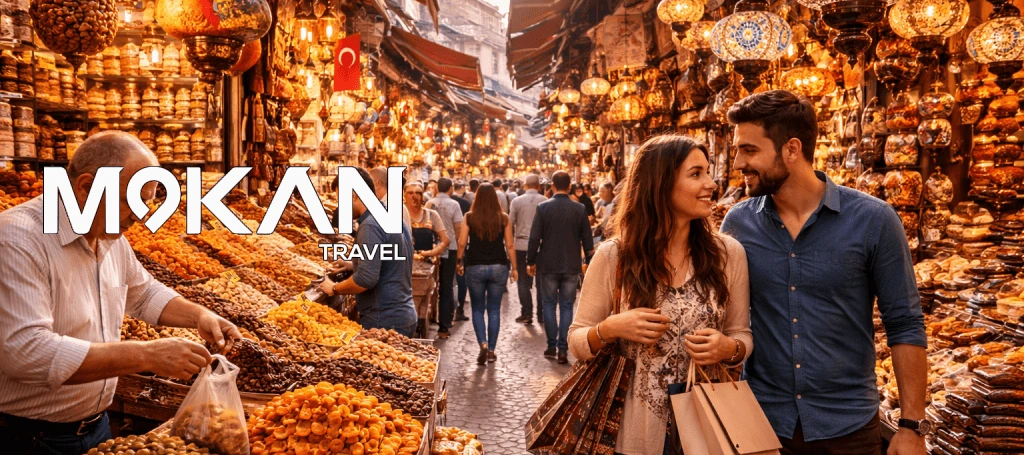
Shopping in Istanbul in 2026 is no longer just about "what did you buy?" It's about where you bought it, why you bought it, and who you left your money with. You'll see the same product two streets apart: one handmade, the other factory-made. The difference isn't just quality it's the story.
When I shop in Istanbul, I always ask myself the same question: Could I find this somewhere other than Istanbul?
If the answer is yes, I stop. Because Istanbul's value isn't in selling what exists everywhere it's in keeping alive what doesn't.
What Is Authenticity, and What Isn't?
Authenticity isn't about being old. It's definitely not about being dusty. Authenticity means not being a copy. It means a craftsperson's hand has touched it. It means something can be imperfect yet real.
In 2026, Istanbul's biggest shopping problem is this:
Thousands of products that look the same but aren't the same.
- "Handmade" rugs with identical patterns
- "Ottoman jewelry" with the same inscriptions
- "Local ceramics" with identical motifs
Most of these are mass-produced. Made in China, other countries, or factories in Türkiye then sold with an Istanbul label. They aren't cheap, but they also aren't real.
The Grand Bazaar Reality - Legend or Trap?
The Grand Bazaar is still legendary if you enter the right shop. In 2026, a big part of the Grand Bazaar plays to tourists. If you see the same product in 10 shops, it's factory-made.
When I enter the Grand Bazaar, I don't look at the window display I look behind the counter. If the shop owner explains the product, tells you where it's from, says "the master is in this city," I stop. If it starts with "Very old, very special," I leave.
Prices?
- Mass-produced "souvenirs": €5-20
- Genuine handmade small objects: €30-80
- Authentic handwoven pieces: €200+
Cheap isn't always bad but too perfect is suspicious. Handmade work has small imperfections. Those imperfections are the signature.
Common mistake: buying the first thing you see in the Grand Bazaar.
Right strategy: see the same item in 5 shops, then decide.
Sultanahmet and the Tourist Strip - A Mass-Production Paradise
Let's be honest: the Sultanahmet area is the riskiest zone for shopping. Because it's a "fast sale" area. Prices inflate and quality drops under the assumption you won't come back.
In 2026, most things sold there are:
- Magnets
- Keychains
- So-called "antique" objects
Prices run €2-10, but most products don't help you bond with Istanbul. You take them home, and after a while they end up in a drawer.
I don't shop in Sultanahmet. I only observe there. If you must buy something, keep it small and light. Don't let it become baggage instead of a memory.
Where Does Real Istanbul Shop?
This matters, because this is where tourists and locals separate.
Kadıköy Market and Moda
The Kadıköy side is still one of the most honest shopping areas in 2026. Shops sell to locals too, so they can't afford to mislead you.
- Handmade jewelry
- Small designer goods
- Second-hand & vintage
Prices are balanced:
You can find truly original pieces in the €15-60 range.
When I shop in Kadıköy, I don't rush. I talk to the shop owner. I ask where it comes from. If the answer is clear, I buy.
Arasta and Small Workshops
Rather than big bazaars, small arastas and workshops tucked into side streets are worth gold. The craftsperson is still at the bench.
When you see a ceramic master touch the clay, you understand. You can even spot the difference between that piece and a factory-made version with your eyes.
In 2026, handmade ceramics fall around €25-70. Not cheap but fair.
Textiles - The Biggest Illusion
Istanbul textiles are famous, but in 2026 this is where people get fooled the most. Labels like "silk," "cashmere," and "natural cotton" are everywhere but the real content is often low.
Real silk isn't cheap.
Real cashmere is light, but warm.
If it feels plasticky to the touch, stay away. Don't hesitate to ask about labels. If the answers are evasive, it's not the right place.
Bargaining - Art or Unnecessary?
Bargaining is part of Istanbul but not everywhere. Pushing too hard on a handmade product is disrespectful. With mass-produced items, bargaining is already built into the price.
When I bargain, I use this line:
"What's your final price?"
If I get a clear answer, great.
If the game starts, I walk out.
Timing Your Shopping
Early morning is best. Shopkeepers are calmer and more open to conversation. Toward late afternoon, crowds grow and quality drops. A rule that still holds in 2026: what you buy in the morning is better.
When you leave Istanbul, the things that matter aren't what takes up space in your suitcase it's what carries meaning. In Part 1, we talked about where to shop. Now we're at the truly critical point: What should you buy and what should you absolutely avoid?
What to Buy (Real Istanbul Souvenirs)
Spices (But from the Right Place)
Spices are one of Istanbul's most honest gifts. But not the packaged, labeled tourist versions. Choose the open-bag spices the ones that sting your nose when you smell them.
In 2026, good-quality spices are around €3-8 / 100 g. Saffron is expensive; cheap saffron is fake. Local spices like sumac, red pepper flakes, and isot make more sense.
Tip: Smell it. If there's no smell, there's no flavor.
Turkish Delight and Sweets (Don't Overdo It)
Turkish delight is worth buying but not by the kilo. Buy fresh, buy a little. In 2026, good Turkish delight sits around €10-18 / kg. Cheap versions feel gelatinous.
Baklava is tricky as a gift. It's risky to carry. Eat it in Istanbul and leave it as a memory then repeat it on your next visit.
Ceramics and Small Handmade Pieces
They can break, but they're worth it because every time you look at them, they remind you of Istanbul. Small plates, cups, and objects are ideal.
Leather Goods (Be Selective)
Real leather is expensive, but Istanbul still has masters who do it well. Small items like a wallet or belt make sense.
Prices fall around €40-120.
What Not to Buy
- Anything that says "I love Istanbul"
- Overly cheap "antiques"
- Packaged "natural stones"
- "Handmade" items that look like plastic
- Objects that fill your suitcase and empty your soul
Common Mistakes
- Buying the first thing you see
- Assuming "too perfect" means handmade
- Doing major shopping in Sultanahmet
- Forcing bargaining in a disrespectful way
- Paying without asking for the story
Grocery Shopping - The Quiet Hero
Supermarkets are the lowest-risk way to bring Istanbul home. Olive oil, coffee, tea, jam... small, packable, meaningful.
You can find at least a hint of Türkiye's flavor texture in supermarkets! To fully experience Türkiye's culinary depth, restaurants especially local ones should be your priority.
Shopping Is a Test
Shopping in Istanbul is the city's test for you. If you rush, you lose. If you listen, you win. Mass production is everywhere; authenticity is rare and quiet.
Istanbul in 2026 won't shout at you. The right shop whispers.
If you can hear it, you'll buy it anyway.
Experience-Focused Istanbul
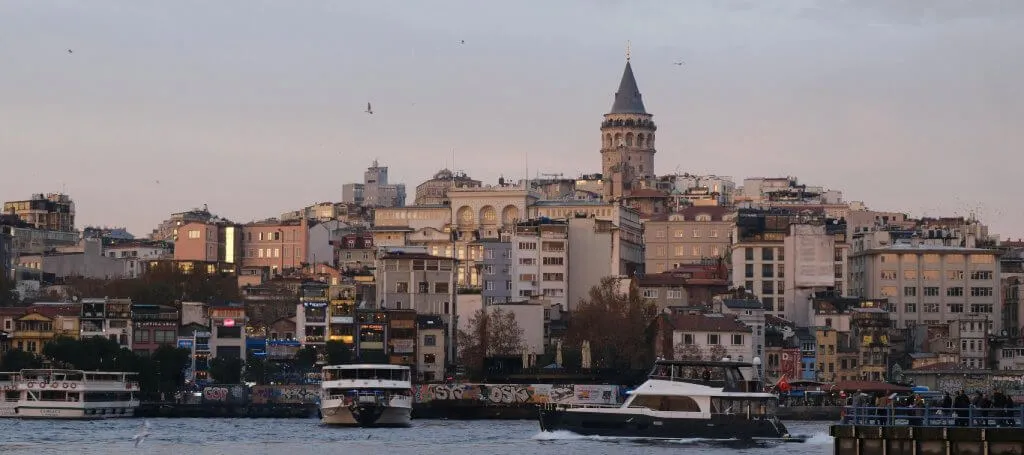
The best way to explore Istanbul in 2026 is to stop asking, "What's famous?" People are searching for different things on Google now:
"Is Istanbul safe in 2026?",
"Best Places to Visit in Istanbul in 2026",
"Istanbul metro map 2026"...
But the searches that are truly rising are quieter: places to visit alone, non-touristy experiences, living like a local. This section speaks directly to that. I'm not giving you a list I'm talking about a feeling.
For Those Searching "Istanbul Like a Local": Neighborhood Time
Living like a local in Istanbul doesn't mean completely abandoning tourist routes. It simply means changing the timing. For example, Karaköy at 08:00 in the morning is one place; Karaköy at 14:00 is a completely different one.
I love neighborhood bakeries early in the morning. No tourists, no rush. When you walk in and ask, "What just came out fresh?" they don't hand you a menu they hand you life. A pastry, a tea. Total spend: €2-3. The feeling is priceless.
"Things to Do Alone in Istanbul" - Exploring Solo
Istanbul is a much better city for solo travel than people assume. The crowds can swallow you but they can also hide your solitude. Especially on ferry rides.
On the Eminönü-Kadıköy line, move to the back of the ferry. Don't talk to anyone. Hold your tea and watch the seagulls. Keep your phone in your pocket. That 20-minute ride is more real than what many people pay for as a "Bosphorus tour."
And the price of that experience is still around €1 in 2026. Sometimes Istanbul gives you its best things for the least money.
Bad News for Those Searching "Hidden Places in Istanbul"
There's nothing truly "hidden" in Istanbul. But there is such a thing as being in the right place at the wrong time. Take Balat: crowded in the afternoon, but still a neighborhood early in the morning.
If you walk Balat's streets around 08:30, shops are just opening. A grandma sitting by her door might greet you with a broom in her hand. If you walk instead of taking photos, you won't get uncomfortable stares because you're not a "visitor," you're simply someone passing through.
"Slow Travel in Istanbul" - Those Who Don't Rush Win
In 2026, slow travel isn't a trend it's a necessity. Istanbul punishes you if you rush. It rewards you if you slow down.
Dedicating a whole day to just one neighborhood can feel radical, but in Istanbul it's the smartest strategy. Take Kadıköy, for example. Cross by ferry, get lost in the market, walk down to the coast, watch the sunset. No museums, no checklist.
On the way back in the evening, you realize: you didn't "do" anything, but you lived Istanbul.
"Is Istanbul Safe in 2026?" - An Answer from Experience
This is searched so much because people are cautious about big cities. Honestly: Istanbul is safe, but it requires attention. That attention isn't fear it's awareness.
I don't take long walks late at night in quiet streets. But I'm comfortable in busy neighborhoods and well-lit avenues. If you don't insist on staying somewhere that doesn't feel right, Istanbul won't push you. This city has plenty of options there's always an exit.
"Authentic Experiences in Istanbul" - Not a Tour, a Moment
A real experience isn't a package you buy. Think of a tea stand: plastic stools, a small table, a radio in the background. Sit down and order tea. Listen to the conversations at the next table. No one says "welcome," but they make room.
In 2026, a tea still costs €0.5-1. But the life you watch with that tea is the shortest path to understanding Istanbul.
"Non-Touristy Places to Take Photos in Istanbul"
If you want photos but not crowds, change your route. Sunrise hours are Istanbul's most generous moments. Galata Bridge, the Karaköy waterfront, Moda... same places, different soul.
I don't set up a tripod when I shoot. I wait for a scene to form on its own. Istanbul doesn't pose; it gets caught.
Common Mistakes
The classic traps people fall into when chasing these kinds of experiences:
- Chasing "hidden places" and missing the soul
- Choosing every experience according to Instagram
- Saying slow travel, then spending the day unplanned and aimless
- Enduring discomfort just to "live like a local"
- Ruining the taste while trying too hard to "understand" Istanbul
Istanbul Doesn't Sell Experiences, It Gives Time
The biggest difference of Istanbul in 2026 is this: it offers you not new places, but new perspectives. Niche searches prove it. People aren't asking "what's famous?" anymore they're asking "where will I feel good?"
Istanbul doesn't shout the answer. It whispers.
If you slow down, you'll hear it.
If you run, you'll only see the crowd.
Experience-focused Istanbul isn't a place you go it's a rhythm you step into.
2026 Events Calendar (As of January 2026)
Istanbul's events calendar in 2026 doesn't work like "do this on this date." In this city, events are experienced less by the calendar and more by the weather, the crowds, and your mood. The same concert can be the night of someone's life while for someone else it's just a crowded evening. So I'm not giving you a dry list here. I'm leaving you a guide built around when/why/how.
Winter (January - February) - Quiet but Deep
Winter is the time Istanbul receives the fewest tourists. That makes events feel more local and calm.
In January and February, indoor concerts, theaters, and exhibitions stand out. Instead of huge stage productions, you watch strong performances in smaller halls. As of 2026, ticket prices are usually in the €15-40 range. If you want to hear the same artist outdoors in summer, that number can double.
In winter, I especially like weekday events. Venues are full, but the crowd isn't overwhelming. After the event, walking outside lets you see the city in a more stripped-back form.
Common mistake: assuming there's "nothing to do" in Istanbul in winter.
Spring (March - May) - The City Wakes Up
Spring is Istanbul's most balanced season for events. No summer chaos, no winter closure. From March onward, exhibitions, screenings, and small-scale festivals accelerate.
Film and cultural events stand out in this period. Cinemas fill up, but tickets are still possible to find. In 2026, festival film screenings are usually in the €10-20 range.
In April and May, outdoor events slowly begin but they're not "crushing" yet. I like pairing events with daytime exploring: streets by day, venues by night. Istanbul loves that balance.
Common mistake: expecting summer energy in spring.
Summer (June - August) - Open Air, Crowds, Patience
Summer is Istanbul's toughest yet most spectacular season. Open-air concerts, seaside events, Bosphorus-side organizations... everything is happening but everyone is there, too.
From June onward, major concerts begin. In 2026, tickets for a popular open-air concert typically fall in the €40-90 range. Depending on the venue and artist, that can go higher. But honestly: summer concerts in Istanbul require patience. Entries are slow, exits are crowded.
In summer, I prefer smaller open-air events over massive concerts. Fewer people, more atmosphere. A seaside event, a small jazz night, a courtyard concert... Tickets are often around €20-40, but the experience feels richer.
Common mistake: assuming Istanbul is a "festival city" in July. It's still a metropolis.
Autumn (September - November) - Istanbul's Golden Season
If you ask me, Istanbul's true events season is autumn. The weather is still nice, summer crowds have eased, and the city finds its rhythm.
September and October are the busiest months for major culture-and-arts programming. Exhibitions, biennial-style large-scale works, concerts... everything stacks up, but it doesn't exhaust you.
During this period, event tickets usually fall in the €20-60 range. Venues are full, but the audience is more intentional people come to actually watch.
In autumn, I especially like weekend daytime events. Visit an exhibition, have coffee, finish early in the evening. Istanbul doesn't like rushing in autumn.
Common mistake: thinking autumn is only "travel season."
Street Events & Local Festivals - Not on the Official Calendar
Some of Istanbul's best events don't appear on official calendars. Neighborhood festivals, small street celebrations, local markets... these spread through social media or word of mouth.
Entry is free or symbolic (€0-5). But the experience is far more real. Music on one street, food on another, kids in a corner... Istanbul's still-living side is here.
When I run into an event like this, I break my plan. Because in this city, moments you stumble into become more lasting than the ones you enter with a ticket.
Sports and Major Events
In 2026, Istanbul is active again with major sports events. Football matches, marathons, international competitions... especially during marathon season, the city takes on a completely different atmosphere.
As a spectator, participation is usually in the €10-30 range. But on marathon days, you must plan transportation in advance. Some roads close, and certain ferry routes become even more meaningful.
Common mistake: expecting a normal Istanbul on major event days.
Golden Rules for Planning Events
In this city, instead of memorizing the calendar, it's more important to build these reflexes:
- Make the event the single main plan of the day
- Choose the event according to transportation, not transportation according to the event
- Reduce big summer events
- Live autumn to the fullest
- Don't ignore what's happening on the street
Common Mistakes
- Buying tickets for two major events on the same day
- Underestimating summer concerts
- Not looking for events in winter
- Putting the event ahead of the trip itself
- Trying to "live" Istanbul through a schedule
In Istanbul, an Event Isn't a Goal, It's an Excuse
In 2026, events increased in Istanbul, but the city still says this: not everything is lived by the calendar. Sometimes you go out for a concert, and the best moment happens on the ferry ride home. Sometimes you visit an exhibition, and the real impact hits you afterward in a tea spot.
In Istanbul, an event is an excuse to live the city.
The real point is what the city gives you that day.
Safety and Scam-Avoidance Guide
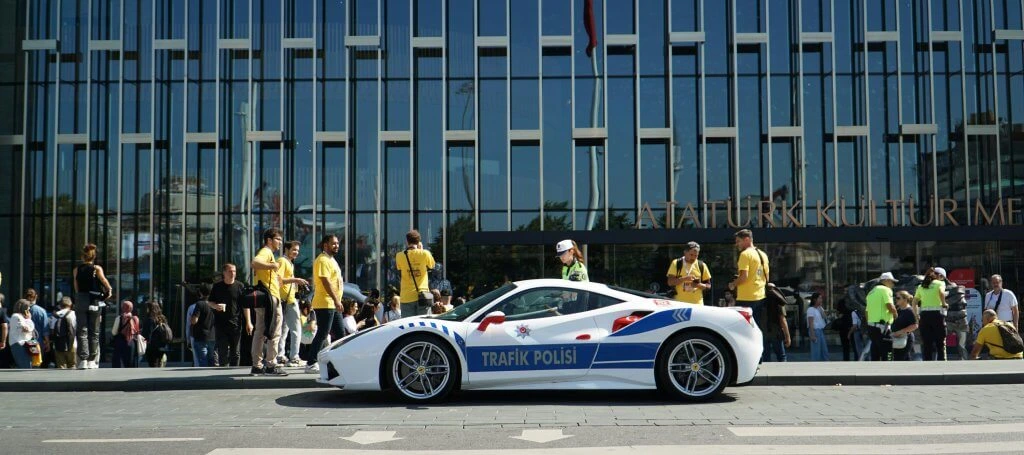
Istanbul in 2026 is still mesmerizing, still chaotic, and yes still a city that requires common sense. The question of safety here isn't "Should I be afraid?" but How should I behave? Istanbul isn't a dangerous city, but it also isn't patient with carelessness.
Think of this guide not as a police brochure, but as advice from someone who has lived in Istanbul and has warned visiting friends countless times. Because in Istanbul, most unpleasant situations are preventable.
"Is Istanbul safe in 2026?" - A Clear Answer
Short answer: Absolutely yes.
Long answer: if you have big-city instincts, more than enough.
Istanbul is not less safe than metropolises like London, Paris, or Rome. The difference is this: the fast pace of life can catch you off guard. An Istanbul scammer isn't rude they're patient. They won't scare you; they'll reassure you. That's why awareness matters.
The Most Basic Safety Rule: Crowds Are Your Friend
If you find yourself on a street where you don't feel safe, the simplest thing to do is: change direction. Don't insist. Don't say "it'll be fine." This city has options. Bright avenues, busy cafés, and open shops are always just a few steps away.
Even late at night, I'm comfortable in crowded neighborhoods but I don't look for romance in emptiness. Istanbul doesn't like that.
Pickpocketing: Not as Dramatic as People Say, but Not Something to Ignore
In 2026, pickpocketing still exists especially in extremely crowded areas:
- Tram T1 line
- Tourist squares
- Very crowded ferry rides
What to do is simple:
- Wear your bag in front
- Don't carry your wallet in your back pocket
- Don't half-stick your phone out of your pocket
I never throw my bag behind me. If you build this reflex, pickpockets won't bother with you because scammers here also prefer the easy target.
The Taxi Reality: The Problem Isn't Taxis, It's Lack of Control
Taxis in Istanbul are more regulated in 2026, but still full of surprises. The biggest risk is taking a taxi on your first day and while you're tired especially right after leaving the airport.
What I've done for years is clear:
On day one, either public transport or a pre-arranged transfer. This is where local companies that genuinely operate in the city like Mokan Travel come in. Because who is meeting you, where you're going, and what you're paying... it's all clear upfront.
This isn't luxury it's control.
If you do take a taxi:
- Check the estimated duration on the map before you get in
- Don't get pulled into long conversations
- Politely refuse "shortcut" suggestions
Fake Helpers: The Most Classic Trap
In tourist areas, you've probably heard of these types:
- Conversations that start with "Let me shine your shoes"
- "You dropped something" tricks
- "I'm from your country too" openings
Most of these people aren't rude some even seem charming. But their goal isn't conversation. Simply smile and keep walking. The moment you stop, the game begins.
I don't stop. I don't yell, I don't accuse anyone. I keep moving without making eye contact. In Istanbul, the strongest word is silence.
Bill & Menu Tricks at Venues
These scams have decreased in 2026, but they haven't disappeared especially in very touristic areas:
- Places with no prices on the menu
- Surprise "service fees"
- Currency confusion when paying
My rule is simple: if there's no price on the menu, I don't sit. If it's unclear whether prices are in euros or TRY, I don't order without asking.
Honest places in Istanbul don't hide this. If someone is hiding it, there's a reason.
Nightlife: Have Fun, But Don't Give Up Control
Istanbul nightlife is lively, but one rule hasn't changed in 2026: don't join a stranger's plan. Especially offers like "Let me take you somewhere."
The classic scenario:
Meet in a bar → move to another venue → bill shock.
This trap is old, but it still works. I always plan nightlife by venue, not by people. Choose the place yourself. Ask for the bill yourself.
ATMs & Money: Small Measures, Big Comfort
- Prefer ATMs that aren't crowded
- Don't leave your card in the machine for too long
- Get a receipt when exchanging currency
Contactless payments are common in 2026, but small cash is always useful especially for taxis, small eateries, and tea stands.
Shopping Scams: Be Careful with the Word "Cheap"
We covered this in detail in the shopping section, but here's the safety summary:
Real handmade work isn't cheap. "Last piece, special price" is a trap 90% of the time.
I don't rush when shopping. I leave a shop and come back. A scammer wants to rush you; an honest shopkeeper is willing to wait.
Transfer & Tour Safety: Quiet Comfort
One of the easiest ways to feel safe in Istanbul is to arrange your first and last touchpoints properly. Airport transfers, private city tours... these are the backbone of your trip.
This is where companies that truly exist and operate in the city like Mokan Travel come in. Because it's not just about the vehicle:
- The driver knows the city
- Punctuality
- Not rushing you
These services can look like "luxury," but in reality they're a risk-reduction method. If day one goes smoothly, the rest of the trip flows.
Hotel & Accommodation Safety
Hotels in Istanbul are generally safe in 2026. But small details matter:
- Always lock your room door
- Don't leave valuables in plain sight
- Be cautious with "very cheap tour" brochures offered at reception
Even at the hotel, I don't drop my city reflex. In Istanbul, inside/outside doesn't matter if you build the habit, you're comfortable.
What to Do in Emergencies?
Don't panic. Emergency lines work in Istanbul. But most things tourists experience aren't emergencies they're just surprising.
If you're lost:
- Walk into a café
- Order tea
- Calm down
- Then ask
In this city, panic takes you to the wrong place. Calmness brings solutions. Also, the people you meet can be among the most helpful you'll ever encounter anywhere in the world.
Common Mistakes
- Leaving your night plan to strangers
- Trusting the word "cheap" too much
- Trying to solve everything on the first day
- Underestimating transfers & transportation
- Leaving big-city instincts behind on vacation
- Making decisions while exhausted on day one
- Trusting "helpfulness" too easily
- Accepting services without asking the price
- Wearing your bag on your back in crowds
- The "nothing will happen to me" confidence
Istanbul Isn't Dangerous, It Requires Attention
Istanbul in 2026 doesn't want to scare you. But it also doesn't protect those who aren't alert. The path to building a relationship with this city is clear:
- Don't rush
- Observe quietly
- Keep control in your hands
If you experience Istanbul slowly, consciously, and through the right touchpoints, scam stories will remain "things that happen to other people."
And remember:
In Istanbul, safety isn't armor it's a reflex. Just like in any big city. Of course, Istanbul is more than a big city. It ranks among the top 18 in the world's most populous cities list, so it isn't extra dangerous! You simply need to stay alert.
About Mokan Travel
Mokan Travel is a local travel brand that approaches Istanbul not just as a destination, but as a rhythm and an experience. It focuses on the points where visitors have struggled most for years:
- Your first touchpoint from the airport into the city
- Managing traffic, time, and energy
- Experiencing the city without falling into tourist traps
- Living classic routes at the right time
- Avoiding unnecessary crowds and rushing
Mokan Travel's approach isn't "the same plan for everyone."
Who is arriving, and when?
Is it your first time in Istanbul, or a return visit?
Do you want speed, or slowness?
Nothing is recommended until these questions are clear.
The Connection Between This Guide and Mokan Travel
What you read in this article:
- Transportation strategies
- Neighborhood-based accommodation suggestions
- Right time / wrong time distinctions
- Slow travel approach
- Safety and scam-avoidance instincts
...is the written form of the practical methods Mokan Travel applies on the ground every day.
In other words, what's shared here isn't "it would be nice if..." it's the details we consider problematic if missing.
Who Is This the Right Reference For?
This guide and the Mokan Travel approach are especially meaningful for:
- Those visiting Istanbul for the first time and who don't want to misunderstand it
- Those who prefer staying in the right places over seeing as many places as possible in a short time
- Families, private groups, or solo travelers
- Those who want to feel like a resident, not a tourist
- Those whose time and energy are valuable
Final Note
Istanbul is an easy city in the right hands. In the wrong rhythm, it's exhausting.
The purpose of this guide isn't to "explain" Istanbul to you, but to start you from the right place.
If you want to truly feel Istanbul in 2026, you should pay attention not only to the source of information, but also to the source of experience.
The experience behind this article is on the ground.
If you would like to keep this document with you as a PDF: https://www.mokantravel.com/...ide-2026.pdf